
Iowa Data Centers: Iowa Adopts Strong Zoning Rules for Data Understanding iowa data centers is essential.
In a move that has sent shockwaves throughout the tech industry, the state of Iowa has implemented some of the most stringent zoning rules in the country for data centers. The regulations, which were adopted by the state’s legislature last year, aim to balance the needs of tech companies with concerns over environmental impact and local character.
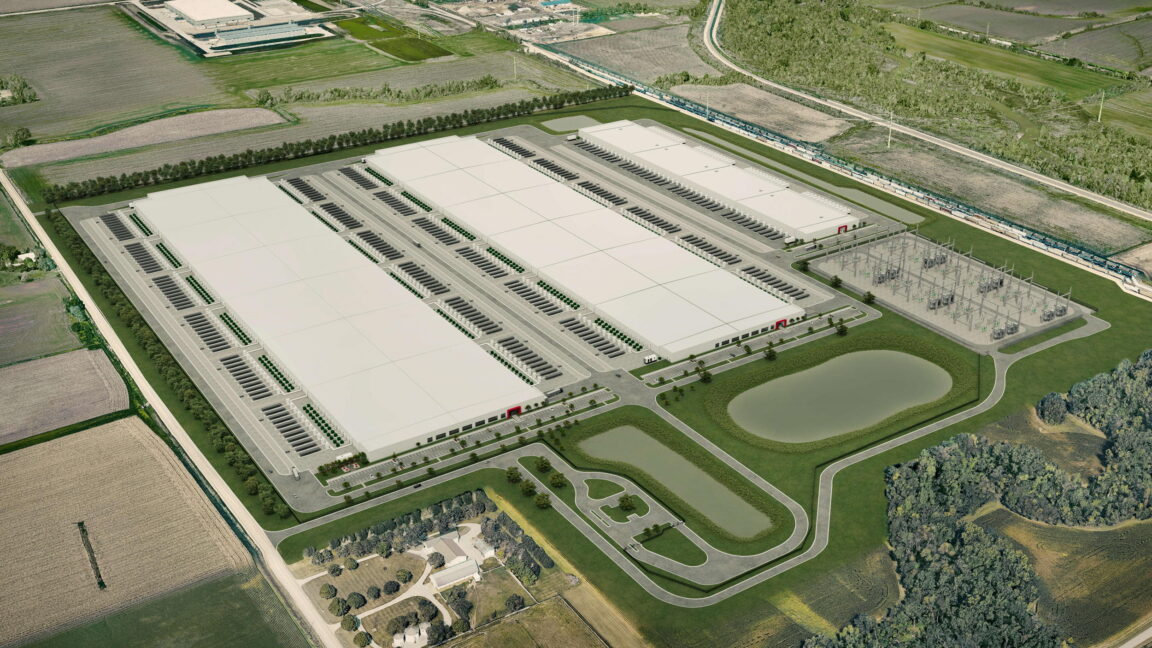
At the heart of the new rules is a commitment to locating data centers in rural areas, where they are less likely to disrupt communities and cause noise pollution. Under the new law, data centers must be built at least 1,000 feet away from schools, hospitals, and other sensitive uses, and must also adhere to strict environmental standards.
“We’re trying to do what’s best for our state and our communities,” said Rep. John Wills, a Republican who sponsored the bill in the Iowa House of Representatives. “We know that data centers are a growing industry, but we also have a responsibility to protect our environment and preserve our natural resources.”
The new rules have been hailed as a model by environmental groups and local residents alike, who say they will help to mitigate the negative impacts of data center development.
“Iowa has always been a leader in responsible land use,” said Karen Osterberg, executive director of the Iowa Environmental Council. “These new rules are a major step forward in protecting our state’s natural beauty and preserving its rural character.”
However, not everyone is convinced that the new rules go far enough. Some local residents and business owners say they will be hurt by the increased costs and regulatory burdens imposed on data center developers.
“These rules are too restrictive,” said Tom Deters, owner of a small farm in eastern Iowa where a data center developer had planned to build a facility. “We’re already struggling to make ends meet. The last thing we need is more regulations to choke our economy.”
The new rules have also raised concerns among tech companies, which say they will be forced to look elsewhere for locations if the costs and regulatory hurdles become too high.
“We understand the concerns about data centers,” said a spokesperson for Google, one of the largest tech companies in the world. “However, we also believe that these new rules are overly restrictive and may drive us out of Iowa altogether.”
Despite the opposition, the new rules are likely to stick. The state’s governor has pledged to enforce the regulations rigorously, and local governments have been instructed to take a hard line against data center developers who fail to comply.
## Data Center Boom in Iowa
Iowa has become one of the fastest-growing data center markets in the country, with over 20 facilities currently under construction or planned for development. The state’s central location, access to fiber optic cables, and favorable business climate make it an attractive destination for tech companies looking to expand their operations.
The boom in data centers is expected to create thousands of new jobs and generate billions of dollars in economic activity each year. However, the industry also poses significant environmental and social risks, including energy consumption, water usage, and community disruption.
## The Environmental Impact of Data Centers
Data centers are among the most energy-intensive industries on the planet, with some facilities consuming as much electricity as a small town. The production and disposal of electronic equipment also pose significant environmental challenges, from toxic waste to e-waste recycling.
In Iowa, data center developers have faced growing pressure to adopt more sustainable practices and reduce their environmental impact. The new rules are a major step forward in this effort, requiring data centers to meet strict energy efficiency standards and adhere to rigorous environmental protocols.
## Will the New Rules Work?
Only time will tell whether the new rules will be effective in balancing the needs of tech companies with concerns over environmental impact and local character. However, one thing is clear: Iowa has set a high bar for responsible data center development, and other states are likely to follow suit.
For now, Iowa’s data centers continue to hum along, processing vast amounts of information for some of the world’s leading tech companies. Whether they will meet the state’s new standards remains to be seen, but one thing is certain: Iowa has sent a clear message that it will not tolerate environmental degradation or community disruption in its pursuit of economic growth.
As the data center boom continues to shape Iowa’s economy and environment, residents will be watching with interest to see whether the new rules will deliver on their promise to protect the state’s natural resources and preserve its rural character.