
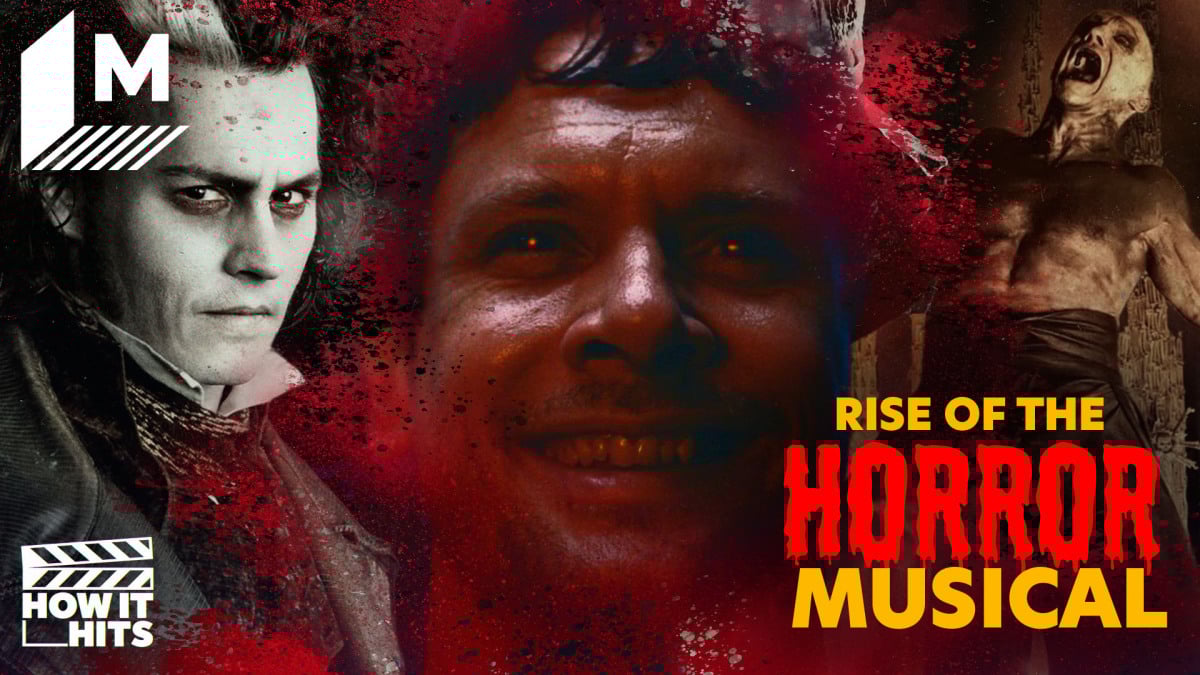
Horror Musicals on the Rise, Could They Launch a New Era of Terror and Tunes?
In recent years, the entertainment industry has seen a significant shift in the types of movies and shows being produced. One genre that has been gaining popularity is horror musicals, which combines the thrill and fright of horror films with the spectacle and song-and-dance numbers of traditional musicals. The success of Sinners, a 2022 film that earned $50 million at the box office and received 16 Oscar nominations, suggests that this trend may be here to stay.
## The Dark Side of Entertainment
Sinners’ massive commercial and critical success has raised questions about whether horror musicals are the next big thing in entertainment. With their unique blend of music, dance, and terror, these films have been captivating audiences and leaving them on the edge of their seats. But what sets horror musicals apart from other genres?
According to film critic and historian, Pauline Kael, horror musicals tap into our deep-seated fears and anxieties, using the power of music and performance to create a sense of unease and tension. “Horror musicals are not just about scaring people,” she notes, “but also about exploring the darker aspects of human nature.”
## The Rise of Horror Musical Theater
The success of Sinners has been followed by other horror musicals, including The Rocky Horror Picture Show (1975), Little Shop of Horrors (1986), and Jesus Christ Superstar (1971). These films have been adapted from stage productions, which were often based on earlier works of literature or mythology. However, the rise of social media has also enabled new writers and directors to explore the horror musical genre without the need for traditional theatrical production.
One notable example is the recent Broadway musical, Carrie, which tells the story of the infamous high school girl with telekinetic powers who wreaks havoc on her tormentors. The show’s creators, Rachel Butler and Tom Kitt, have stated that they drew inspiration from both classic horror films and stage musicals like Cabaret.
## Horror Musical: A New Era of Terror and Tunes?
The success of Sinners and the growing popularity of horror musicals suggest that this genre may be here to stay. With its unique blend of music, dance, and terror, it offers a fresh take on traditional horror films. As the entertainment industry continues to evolve, it’s likely that we’ll see more horror musicals hitting theaters and stages in the coming years.
However, some critics have argued that horror musicals are nothing new and that they’re simply a rehashing of old ideas. But for many fans, the appeal of horror musicals lies in their ability to combine two seemingly disparate genres into something entirely new and exciting.
In the end, it’s clear that horror musicals are here to stay. With their unique blend of terror and tunes, these films offer a fresh take on traditional horror and musical genres. As the entertainment industry continues to evolve, it will be interesting to see how this genre continues to grow and change over time.
As one film critic noted, “Horror musicals are not just about scaring people, but also about exploring the darker aspects of human nature.” With their unique blend of music, dance, and terror, these films offer a thrilling ride that’s sure to leave audiences on the edge of their seats.
The Rise of Horror Musical Theater: A New Era of Creativity and Fear
The success of horror musicals like Sinners has paved the way for a new wave of creative and terrifying productions to emerge from the world of theater. One notable example is the recent Broadway musical, Hadestown, which won the 2019 Tony Award for Best Musical. This show’s creators, Anaïs Mitchell and Rachel Chavkin, have stated that they drew inspiration from both classical mythology and modern folk music to create a unique and haunting tale.
Another example of horror musical theater is the upcoming film adaptation of The Addams Family, which promises to bring the beloved TV series to life on the big screen. With its dark humor, witty banter, and eerie atmosphere, this film is sure to delight fans of both the original series and musical theater.
The appeal of horror musicals lies in their ability to combine two seemingly disparate genres into something entirely new and exciting. By incorporating elements of music, dance, and terror, these films offer a thrilling ride that’s sure to leave audiences on the edge of their seats.
One way to understand the appeal of horror musicals is to examine their historical context. Many of these films and shows were originally produced as stage productions, which offered a unique opportunity for creative experimentation and innovation. For example, The Rocky Horror Picture Show was adapted from a stage production that premiered in 1975, while Little Shop of Horrors originated as a low-budget off-off-Broadway show.
However, the rise of horror musicals is not just about nostalgia or revivalism. Rather, it represents a new era of creativity and innovation in the entertainment industry. By combining different genres and styles, these films offer a fresh take on traditional horror and musical theater.
This trend towards blending genres can be seen in many other areas of popular culture, from music to film to television. For example, the rise of hip-hop has brought together elements of jazz, blues, and funk to create a new and exciting sound. Similarly, the success of Marvel movies has shown that superheroes and sci-fi can be combined with musical elements to create a thrilling cinematic experience.
The horror musical genre is also notable for its emphasis on community and shared experience. Unlike traditional horror films, which often focus on individual characters and their personal struggles, horror musicals bring together multiple storylines and characters in a way that creates a sense of collective fear and anxiety.
For example, The Rocky Horror Picture Show brings together a diverse cast of characters, from the main protagonist Brad to his girlfriend Janet and her friends. This ensemble approach creates a sense of community and shared experience, as the audience is invited to join in on the fun and participate in the musical numbers.
In contrast, traditional horror films often focus on individual characters and their personal struggles. While these stories can be compelling and terrifying, they lack the sense of communal experience that defines the horror musical genre.
The future of horror musicals looks bright, with many new projects in development across film, television, and theater. Whether it’s a stage production or a big-screen adaptation, these films offer a fresh take on traditional horror and musical genres, combining music, dance, and terror to create a unique and thrilling experience for audiences.
In the end, the success of Sinners and other horror musicals suggests that this genre is here to stay. With its unique blend of music, dance, and terror, these films offer a fresh take on traditional horror and musical genres, combining elements of music, dance, and fear in a way that’s sure to leave audiences on the edge of their seats.
As one film critic noted, “Horror musicals are not just about scaring people, but also about exploring the darker aspects of human nature.” With its unique blend of terror and tunes, this genre offers a thrilling ride that’s sure to captivate audiences for years to come.