



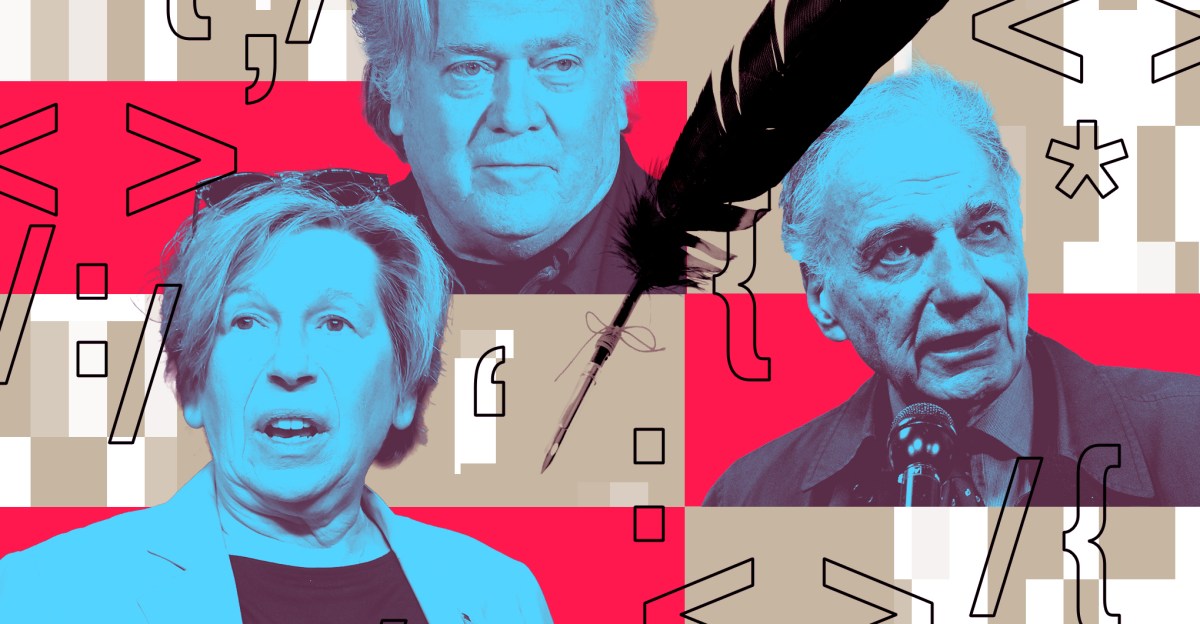
AI Resistance Movement: A Diverse Gathering of Concerns on the Future of Artificial Intelligence
In early January, a group of 90 or so political, community, and thought leaders gathered in a New Orleans Marriott for a secret conference on artificial intelligence. The anonymity of the event was deliberate, with no one knowing who else had been invited until they walked into the room. Church leaders and conservative academics sat next to labor union representatives, while progressive power brokers who’d drafted Bernie Sanders to run for president shared the same air as MAGA talking heads. All were united in their concern about the impact of artificial intelligence on society.
The AI resistance movement was in full swing, with this gathering representing a rare moment of convergence between disparate voices and perspectives. As the attendees took their seats, it was clear that the stakes were high, with the future of humanity hanging precariously in the balance. The question on everyone’s mind was: what did this confluence of interests mean for the future of artificial intelligence?
**The AI Resistance Movement: A Call to Action**
The New Orleans gathering marked a turning point in the conversation around AI. For too long, the focus had been on the technological advancements themselves, with little attention paid to the broader implications. However, as the conference attendees made clear, the impact of AI goes far beyond the realm of tech itself. It is a matter of social justice, economic equality, and human dignity.
Ralph Nader, a long-time advocate for consumer rights and labor reform, was among those in attendance. He spoke passionately about the need for regulation and oversight to ensure that AI is developed and deployed in ways that prioritize people over profit. “We can’t let the pursuit of efficiency and productivity come at the expense of our humanity,” he warned.
**The Dark Side of AI: A Threat to Democracy?**
Steve Bannon, a former advisor to President Trump, sat at the same table as progressive power brokers, sparking controversy from the start. His presence was seen by some as a deliberate attempt to sow discord and undermine the conversation around AI. However, others saw it as an opportunity for genuine dialogue.
Bannon spoke about the need for “human-centered” decision-making in AI development, arguing that we must prioritize empathy and understanding over efficiency and productivity. Randi Weingarten, president of the American Federation of Teachers, countered that this approach was naive, suggesting instead a more nuanced approach that balances individual freedom with collective well-being.
Related: Learn more about this topic.
**The Future of Li…**
As the conference attendees delved deeper into their discussions, it became clear that the AI resistance movement is not just about technology; it’s about our very way of life. The question on everyone’s mind was: what does the future hold for humanity in an age where machines are increasingly capable of thinking and acting like us?
The New Orleans gathering marked a crucial moment in this conversation, as the diverse attendees came together to forge a new path forward. It remains to be seen whether their combined efforts will be enough to mitigate the risks associated with AI or if we will succumb to its promises.
One thing is certain: the future of artificial intelligence is not a fixed destination but rather a dynamic landscape that requires constant vigilance and collective action. The AI resistance movement may have started as a grassroots response, but it has grown into something much larger – a call to action for humanity itself.