


Digital Twin Technology Revolutionizes Email Responses with Ada
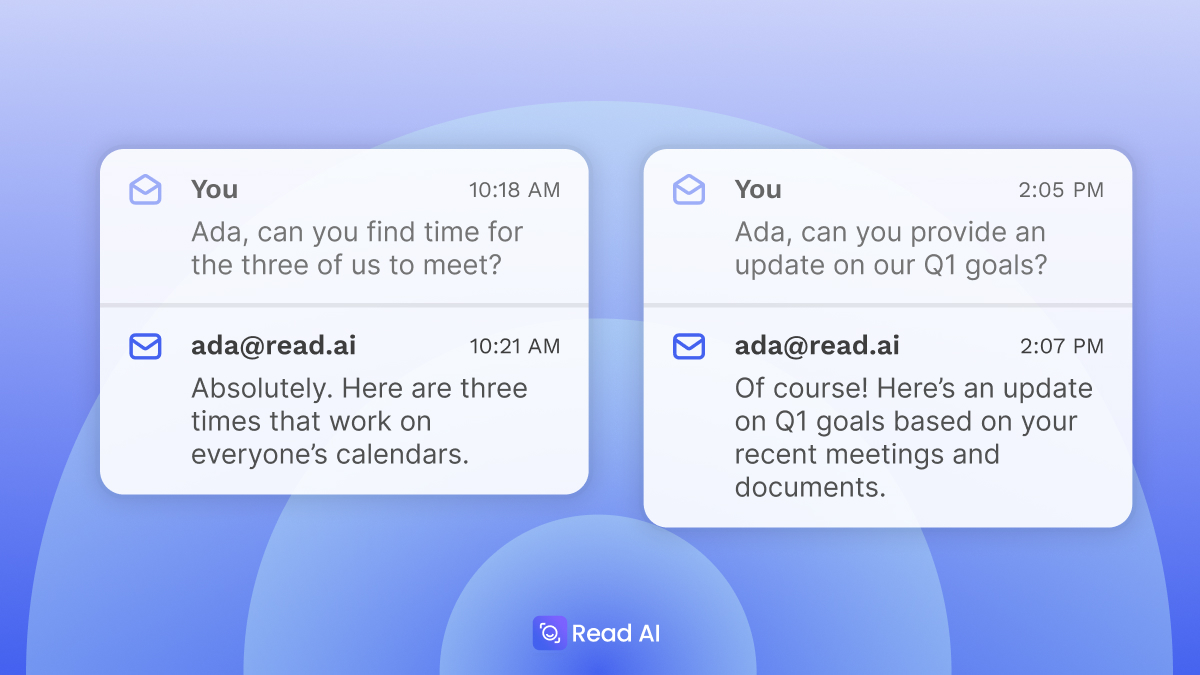
In a breakthrough that showcases the potential of digital twin technology, Read AI has unveiled its latest innovation, Ada. This email-based digital twin is equipped with artificial intelligence capabilities that enable it to respond to users’ queries and provide tailored solutions.
Digital twin technology, a concept rooted in computer-generated simulations of physical or virtual entities, has been gaining traction across various industries. In the realm of customer service, Read AI’s introduction of Ada marks a significant milestone. By integrating digital twin technology into its email platform, Read AI aims to provide users with more personalized and efficient responses.
Digital Twin Technology in Customer Service
The application of digital twin technology in customer service is multifaceted. It enables companies to create virtual replicas of their customers’ experiences, providing valuable insights into user behavior and preferences. By analyzing these digital twins, businesses can refine their services, improve response times, and enhance overall satisfaction.
In the context of email responses, Ada leverages this technology to provide users with more accurate and relevant information. The system is trained on a vast knowledge base, which it draws upon to extract answers to users’ queries. This approach allows Ada to offer personalized advice, freeing up human customer support agents to focus on more complex issues.
Empowering Human Customer Support
One of the most significant advantages of Ada lies in its ability to augment human customer support. By providing instant responses to routine inquiries, Ada frees up support teams to concentrate on more intricate problems that require empathy and understanding. This symbiotic relationship between digital twin technology and human expertise enables businesses to deliver exceptional customer experiences.
The introduction of Ada also highlights the growing importance of artificial intelligence in customer service. As AI-powered systems become increasingly sophisticated, they are poised to revolutionize industries across the board. By harnessing the power of digital twin technology, companies can unlock new levels of efficiency, innovation, and customer satisfaction.
A New Era for Email Communication
The launch of Ada represents a significant shift in the way we interact with email. No longer will users be forced to sift through lengthy responses or wait for hours for answers. With Ada, users can expect rapid, accurate, and personalized responses that cater to their individual needs.
As digital twin technology continues to evolve, it’s likely that we’ll see even more innovative applications in the realm of customer service. Companies like Read AI are at the forefront of this revolution, pushing the boundaries of what is possible with AI-powered systems.
In conclusion, the introduction of Ada marks an exciting new chapter in the use of digital twin technology for customer service. By combining the power of artificial intelligence with human expertise, businesses can deliver exceptional customer experiences that set them apart from the competition. As we look to the future, it’s clear that digital twin technology will continue to play a vital role in shaping the way we interact with email and each other.
The Potential for Enhanced Customer Insights
One of the most significant benefits of digital twin technology is its ability to provide businesses with unparalleled insights into their customers’ behavior and preferences. By creating virtual replicas of customer experiences, companies can gather valuable data on user interactions, pain points, and areas of improvement.
This information can be used to refine services, improve response times, and enhance overall satisfaction. For instance, a company may use digital twin technology to create a virtual replica of a customer’s journey through their website or mobile app. By analyzing this data, the company can identify areas where users are getting stuck or experiencing friction, allowing them to make targeted improvements to increase conversions and reduce churn.
Similarly, Ada’s use of digital twin technology enables it to provide personalized responses that cater to individual user needs. By analyzing a vast knowledge base and extracting relevant information, Ada can offer tailored advice and solutions that are tailored to each user’s specific requirements.
The Future of Customer Service
The introduction of Ada marks an exciting new chapter in the use of digital twin technology for customer service. As this technology continues to evolve, we can expect to see even more innovative applications across industries.
One potential application is in the realm of chatbots and virtual assistants. By combining the power of digital twin technology with AI-powered systems like Ada, businesses can create highly sophisticated conversational interfaces that provide personalized support and guidance to customers.
We may also see a shift towards more human-like customer experiences, where AI-powered systems are designed to mimic human empathy and understanding. Digital twin technology will play a crucial role in enabling these systems to understand the nuances of human communication and respond accordingly.
Challenges and Opportunities
Related: Learn more about this topic.
While digital twin technology holds vast potential for innovation and improvement in customer service, there are also challenges that need to be addressed.
One key challenge is ensuring data accuracy and relevance. Digital twins require high-quality data to function effectively, which can be a significant challenge for companies with limited resources or complex systems.
Another challenge lies in balancing the role of human customer support agents with AI-powered systems like Ada. While AI can provide rapid and accurate responses to routine inquiries, human expertise is still essential for handling complex or emotionally charged issues.
Conclusion
In conclusion, the introduction of Ada marks an exciting new chapter in the use of digital twin technology for customer service. By combining the power of artificial intelligence with human expertise, businesses can deliver exceptional customer experiences that set them apart from the competition.
The potential for enhanced customer insights, personalized responses, and innovative applications across industries make digital twin technology a game-changer for customer service. As we look to the future, it’s clear that this technology will continue to play a vital role in shaping the way we interact with email and each other.
As companies like Read AI push the boundaries of what is possible with AI-powered systems, we can expect to see even more exciting innovations emerge. Whether it’s chatbots, virtual assistants, or more human-like customer experiences, digital twin technology will play a crucial role in driving business success and improving customer satisfaction.
The future of customer service is bright, and digital twin technology is leading the way. As we look to the horizon, one thing is clear: the revolution has just begun, and it’s going to be an exciting ride.