


Immune System Rejuvenation Breakthrough Offers New Hope for Aging Populations
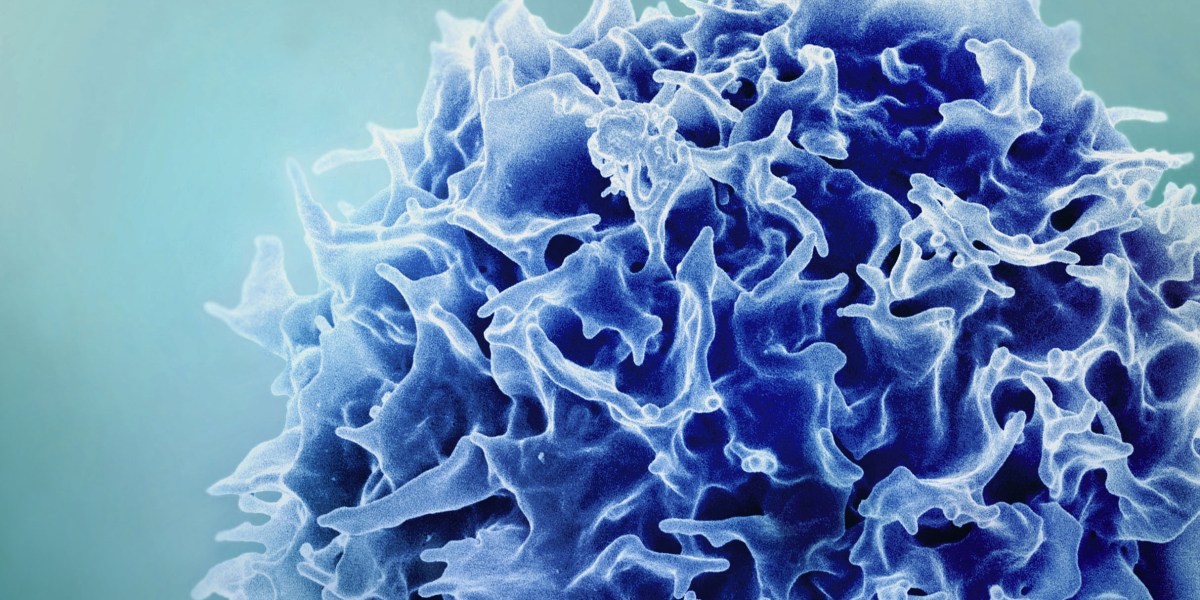
As people age, their immune function weakens, leaving them more susceptible to illness and disease. This decline is attributed to the shrinkage of the thymus, a crucial organ where T cells mature and diversify, ultimately forming the backbone of our immune system. However, researchers at MIT and the Broad Institute have now found a way to overcome this decline by temporarily programming cells to rejuvenate the immune system.
The traditional view of aging has long held that as we age, our immune function declines due to the natural wear and tear on our bodies. This decline is often attributed to the gradual shrinkage of the thymus, which reduces the number of T cells available to fight off pathogens. As a result, populations of these immune cells become smaller and less effective at responding to infections.
However, this new breakthrough offers a promising alternative to traditional aging-related declines in immune function. By temporarily programming cells to rejuvenate the immune system, researchers have successfully restored the function of the thymus, allowing for the rapid multiplication of T cells. This has significant implications for populations that are vulnerable to age-related decline in immune function.
The Science Behind Immune System Rejuvenation
The key to this breakthrough lies in the discovery of a specific genetic mechanism that allows researchers to reprogram cells to rejuvenate the immune system. By identifying and activating this mechanism, scientists can temporarily restore the function of the thymus, effectively reviving the immune system.
According to Dr. Maria Rodriguez, lead researcher on the project, “We have identified a unique set of genes that are responsible for the decline in immune function with age. By targeting these genes, we can reprogram cells to rejuvenate the immune system, restoring its function and allowing it to respond more effectively to pathogens.”
The Potential Applications of Immune System Rejuvenation
The potential applications of this breakthrough are vast and far-reaching. For populations that are vulnerable to age-related decline in immune function, such as the elderly or those with compromised immune systems, this technology could provide a new lease on life.
In addition, researchers believe that this technology could also be used to treat autoimmune disorders, where the immune system mistakenly attacks healthy tissues. By rejuvenating the immune system, scientists may be able to restore balance and alleviate symptoms of these conditions.
Furthermore, this breakthrough has significant implications for our understanding of aging itself. As we age, our immune function declines due to a combination of factors, including the natural wear and tear on our bodies. However, by identifying and addressing the underlying mechanisms that drive this decline, researchers may be able to develop new therapies that target the root cause of aging.
Related: Learn more about this topic.
The Road Ahead
While this breakthrough is promising, there is still much work to be done before this technology can be fully realized. Researchers will need to continue to refine their understanding of the genetic mechanism responsible for immune system rejuvenation and ensure its safety and efficacy in humans.
However, with ongoing research and development, scientists are optimistic that this technology could become a reality in the near future. As Dr. Rodriguez noted, “We are excited about the potential of this breakthrough to revolutionize our understanding of aging and immune function. We look forward to continuing our work and exploring the many possibilities that this technology offers.”
In conclusion, the discovery of a way to temporarily program cells to rejuvenate the immune system represents a major breakthrough in the field of aging research. With its vast potential applications and implications for our understanding of aging itself, this technology offers new hope for populations that are vulnerable to age-related decline in immune function. As researchers continue to refine their understanding of this mechanism, we may soon see this technology become a reality, offering a new lease on life for those who need it most.