


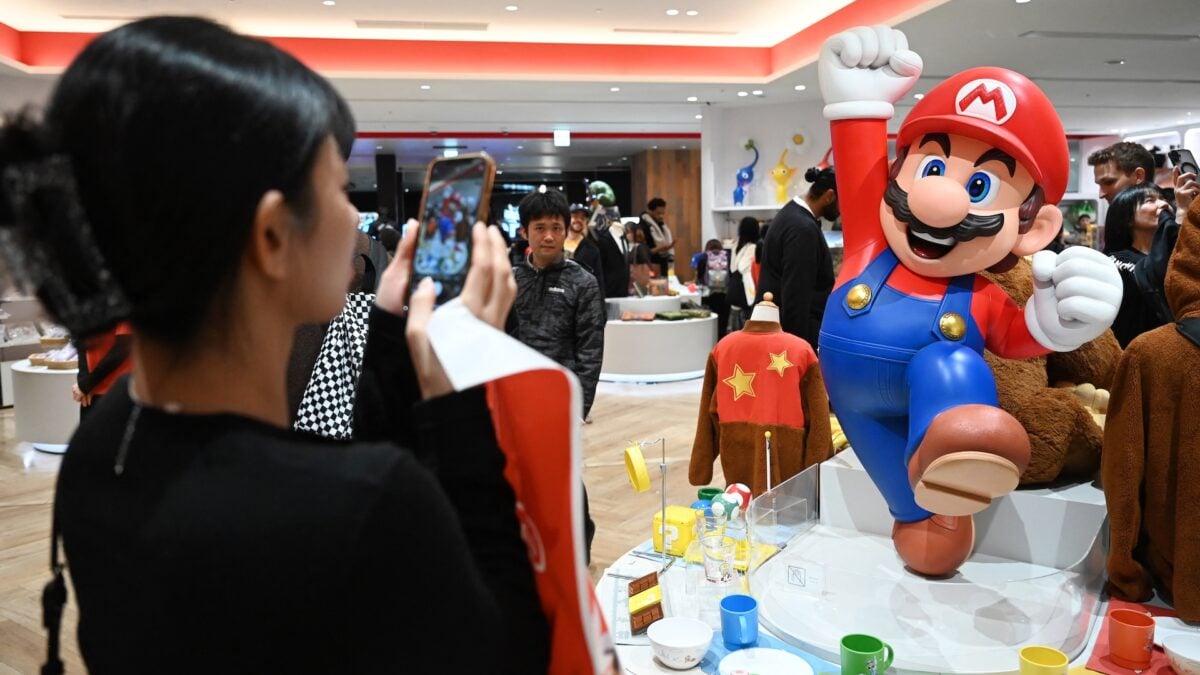
Nintendo Tariffs: A Threat to Global Gaming Industry
Nintendo tariffs have become a contentious issue, with the Japanese gaming giant facing off against rival companies in a battle over intellectual property rights. The stakes are high, as Nintendo’s successful console franchises like Mario and Zelda are being challenged by low-cost, counterfeit products flooding the global market.
The Problem of Counterfeit Goods
The rise of online marketplaces and social media has made it easier for counterfeiters to produce and distribute fake goods, including video games and gaming consoles. Nintendo tariffs are a direct result of this problem, as the company seeks to protect its intellectual property from being exploited by third-party manufacturers.
The Global Impact of Counterfeit Goods
Counterfeit goods have become a significant issue in the global gaming industry, with consumers often unaware that they are purchasing fake products. This can lead to serious consequences, including hardware failures, data loss, and even safety hazards. For Nintendo, the impact of counterfeit goods is particularly severe, as it can undermine the value of its brand and erode consumer trust.
Nintendo’s Response
In response to the growing problem of counterfeit goods, Nintendo has taken a tough stance against those who would seek to profit from its intellectual property. The company has implemented various measures to protect itself, including strict quality control checks and partnerships with law enforcement agencies to track down counterfeiters.
Nintendo Tariffs: A Key Component of Nintendo’s Strategy
One of the most significant challenges facing Nintendo in its efforts to combat counterfeiting is the issue of tariffs. These fees are imposed on imports of goods from certain countries, and can be a major obstacle for companies like Nintendo that rely heavily on foreign manufacturing partners.
By imposing tariffs on imported goods, Nintendo hopes to level the playing field against counterfeiters who often import their products from low-cost countries with lax regulations. This approach has been successful in some cases, as evidenced by Nintendo’s efforts to restrict imports of Chinese-made counterfeit consoles and games.
Related: Learn more about this topic.
However, the issue of tariffs is complex, and can have unintended consequences for companies like Nintendo. For example, imposing high tariffs on imported goods can lead to increased costs for consumers, which could ultimately harm Nintendo’s sales and revenue.
The Future of Nintendo Tariffs
As the global gaming industry continues to evolve, it is likely that Nintendo will remain a key player in efforts to combat counterfeiting and protect its intellectual property. The company has already taken significant steps in this area, including implementing new quality control measures and partnering with law enforcement agencies.
However, the issue of tariffs remains a pressing concern, particularly as the rise of e-commerce continues to change the way that companies like Nintendo operate. As the global gaming industry becomes increasingly digital, it is likely that Nintendo will need to adapt its approach to addressing counterfeiting in order to remain competitive.
In conclusion, Nintendo tariffs are an important aspect of the company’s efforts to protect its intellectual property and combat counterfeiting. While the issue is complex and can have unintended consequences, Nintendo’s commitment to protecting its brand and safeguarding consumer interests will likely continue to guide its strategy in this area. As the global gaming industry continues to evolve, it is clear that Nintendo will remain a major player in efforts to address this critical issue.